PMB Dialogue 01 - Nassim B. x Nassim H.
When dermatological rigor stops being added to makeup, and starts shaping it from within.
This PMB Dialogue unfolds as a structured exchange between two perspectives, built around a shared question: what does it take for makeup to reach dermatological rigor without losing its nature as an object of desire?
Nassim Hamek, formerly Head of Product at Typology, is now building CÉNÉE, a brand grounded in a different premise: skincare cannot be added to makeup, it has to be translated into it.
What emerges is a more fundamental shift, where formulation, performance, and desirability are no longer layered, but constructed as one.
Nassim B.
Makeup has been “skinified” for years, yet it rarely becomes more desirable in the process. It often feels like skincare has been added, but not truly translated into the product.
Nassim H.
Because it has mostly been approached as an addition, not as a redefinition.
Integrating skincare ingredients does not fundamentally change a product. It doesn’t necessarily alter how it behaves, how it is perceived, or how it fits within a routine.
For me, formulation is not a layer, it is the starting point. It should determine performance, sensoriality, and expression simultaneously.
The objective is coherence: what the product does, how it feels, and how it is experienced should not exist as separate dimensions.
Nassim B.
Everyone claims to bring skincare into makeup, but very few have managed to translate dermatological rigor into a truly desirable object.
Nassim H.
Because dermatological rigor comes with its own language, often clinical, minimal, sometimes distant.
The challenge is not to soften it, but to translate it.
A makeup product cannot be reduced to efficacy. It remains an object of use, of projection, of pleasure. If you push too far into the clinical, you lose that dimension entirely.
What matters is not choosing between credibility and desirability, but constructing the conditions for both to exist at the same level.
Nassim B.
There seems to be a gap between formulation and expression, products evolve, but the way they are expressed often doesn’t follow.
Nassim H.
Yes - and that gap creates disbelief.
You can have a highly advanced formula, but if the texture, the finish, or the object do not reflect it, the perception remains unchanged.
Everything has to align.
Formulation, texture, packaging, image, each element participates in the same narrative. Nothing should compensate for another.
Nassim B.
Your approach feels very controlled, almost silent. Minimal, but extremely deliberate.
Nassim H.
Minimalism only works when it is supported by precision.
Otherwise, it becomes absence.
The intention is not to reduce, but to remove what is unnecessary, so that what remains becomes more legible, more exact.
Minimalism is not an aesthetic position. It is a way to reveal structure.
Nassim B.
It suggests that desirability cannot simply be layered onto dermo, it has to be constructed through it.
Nassim H.
Exactly.
If desirability only comes from branding or storytelling, it remains external. It doesn’t hold.
It has to emerge from the product itself, from the way it is formulated, how it interacts with the skin, and how it integrates into a broader system.
The balance is subtle: making the technical dimension perceptible without making it heavy, and creating desire without relying on familiar makeup codes.
PARIS MACRO BEAUTY - Dialogues 01
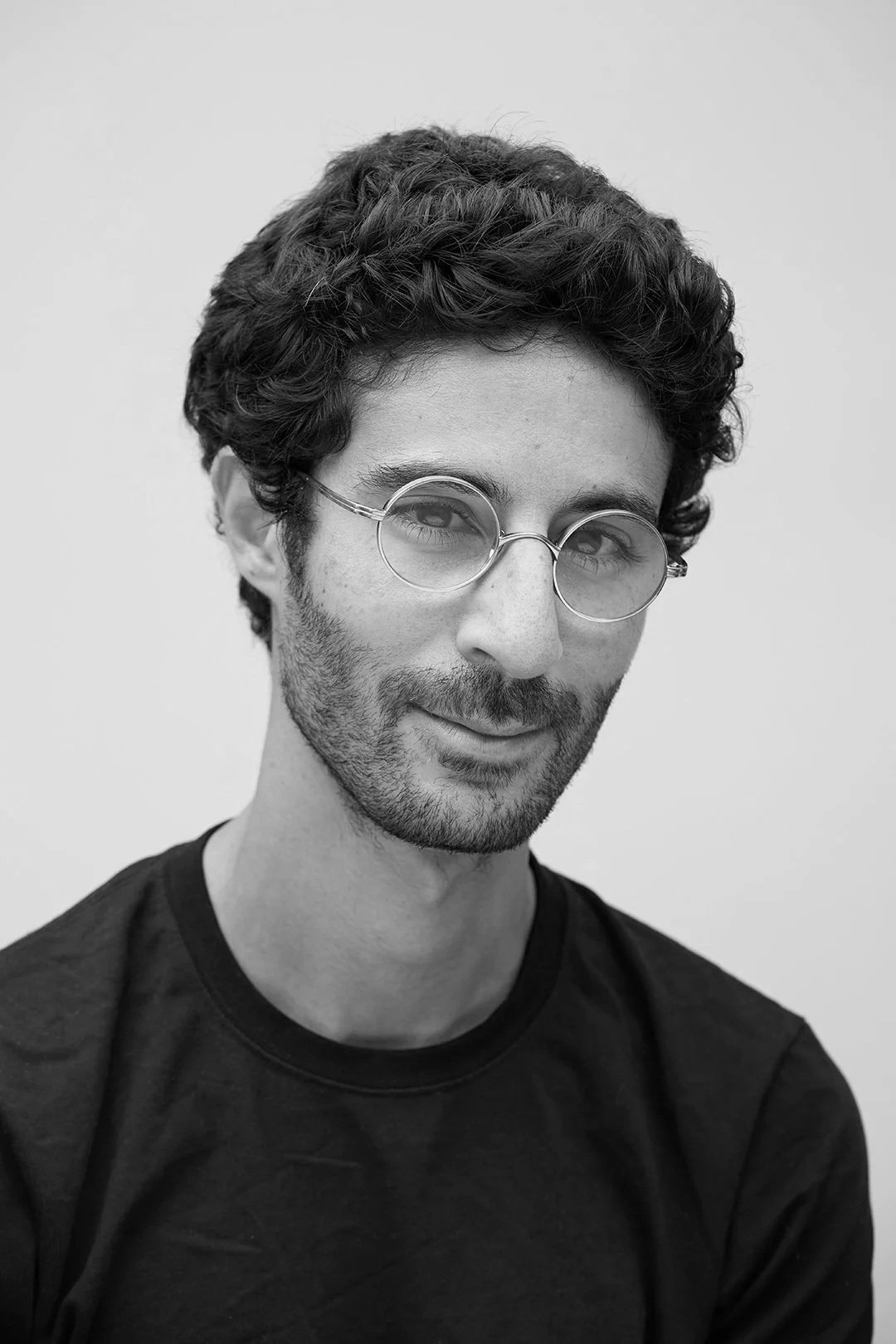
“What the product does, how it feels, and how it is experienced must speak the same language.”
Nassim Hamek - Founder - Cénée
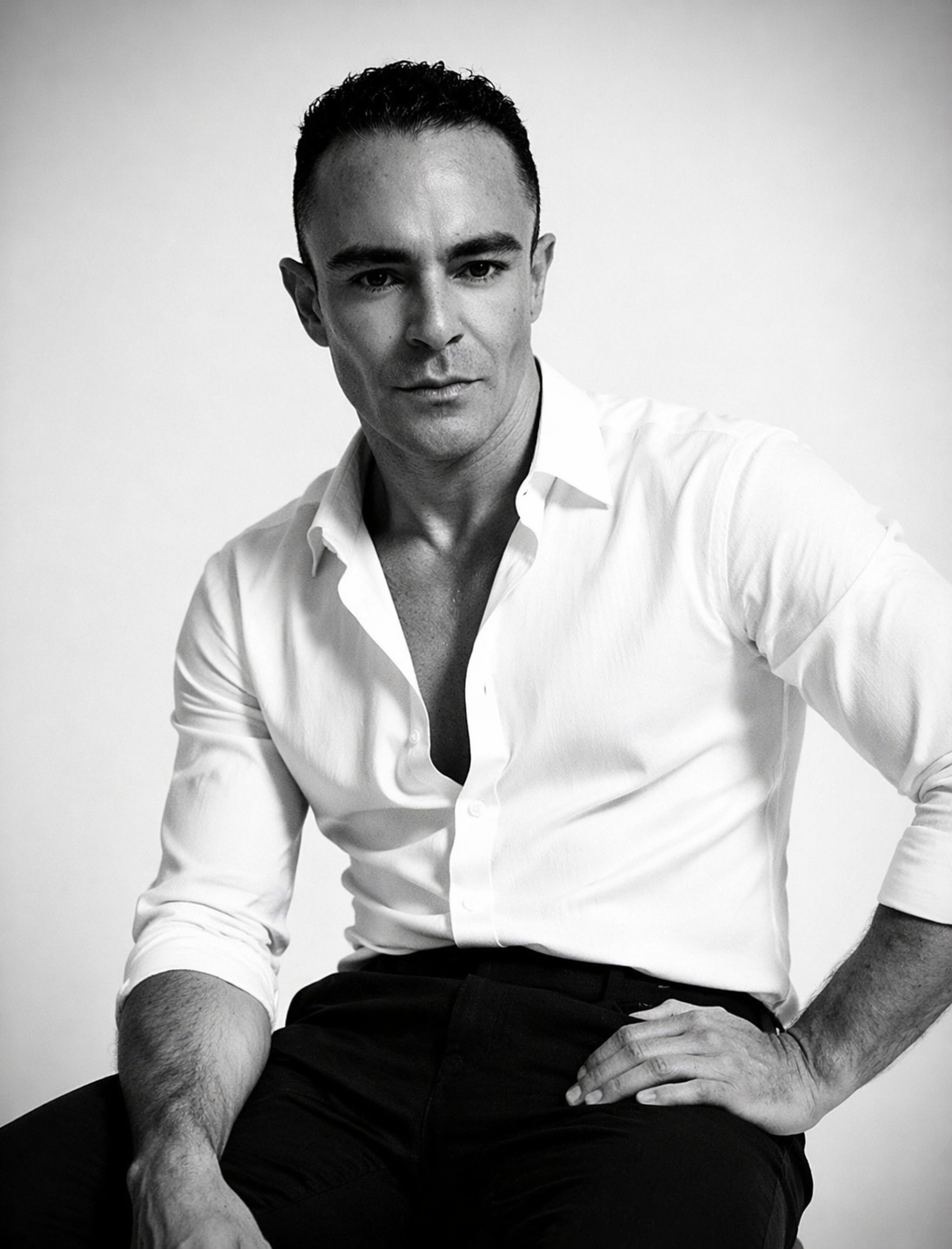
Nassim Belhaq - Editor